


Common Inspection Issues and How to Prevent Them

A home inspection is one of the biggest sources of stress for sellers—and for good reason.
Even small issues can raise red flags for buyers, potentially delaying your sale or lowering the final price. But here’s the good news: many of them are preventable. With a little proactive effort, you can tackle problems before they become deal-breakers.

Electrical
What inspectors look for
Exposed or outdated wiring, missing GFCI outlets near water sources, and overloaded panels
What to do
If your home is older or if you’ve noticed flickering lights or tripped breakers, hire a licensed electrician to inspect your system. At the least, swapping in GFCI outlets and fixing exposed wiring are relatively inexpensive fixes that can go a long way in showing that your home is safe and up to code.
Plumbing
What inspectors look for
Leaky faucets, clogged drains, low water pressure, rusty or loose pipes, and signs of moisture around sinks and tubs and in basements
What to do
Check under all your sinks and around toilets for leaks and water stains. Small issues like a slow drip and loose pipes are usually easy to resolve with a wrench and some plumber’s tape. If you notice musty odors or mold in any room, consider hiring a pro to assess and remediate the problem before listing.
Roof and gutters
What inspectors look for
Missing or damaged shingles, roof age, signs of leaks, and clogged or broken gutters
What to do
Clean out your gutters and downspouts, looking for visible damage as you go. If your roof is older, have it professionally inspected before listing. Replacing a few shingles or flashing may be all that’s needed—and it will indicate to buyers that you’ve maintained the home.
HVAC system
What inspectors look for
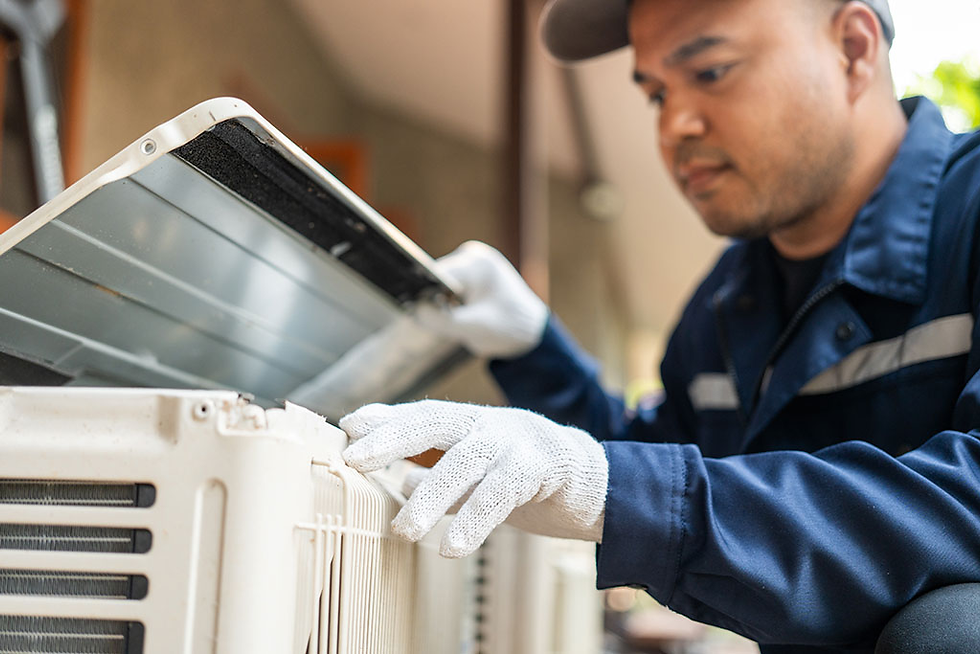
Inefficient heating or cooling, dirty filters, damaged ductwork, and systems that are past their prime
What to do
Replacing air filters and cleaning ducts can improve performance, while a professional tune-up will provide peace of mind to buyers. It may also help to gather any documentation showing regular maintenance, especially if your system is older.
Foundation
What inspectors look for
Visible cracks, uneven floors, and signs of settling that could indicate structural concerns
What to do
Small cracks in drywall or basement walls are normal, but large, widening ones may indicate more serious concerns. Cosmetic fixes like patching cracks and replacing warped baseboards can help your home show better—just don’t try to hide a major issue.
Exterior
What inspectors look for
Damaged siding, peeling paint, broken windows, and other signs of neglect
What to do
Walk around your home with a critical eye, and make updates to any areas that may otherwise negatively impact curb appeal. This may include replacing rotted trim, repairing screens, and touching up paint.
By addressing issues ahead of time, you will not only make your home more appealing to potential buyers but also increase your chances of a smoother sale. If you’re not sure where to begin, a trusted real estate agent can be your greatest resource. They will help you prioritize repairs and find local pros, guiding you through every step of the selling process with confidence.



Comments